Art, Champagne, And The Great Depression

Copyright 2009 Jens Haas - www.jenshaas.com

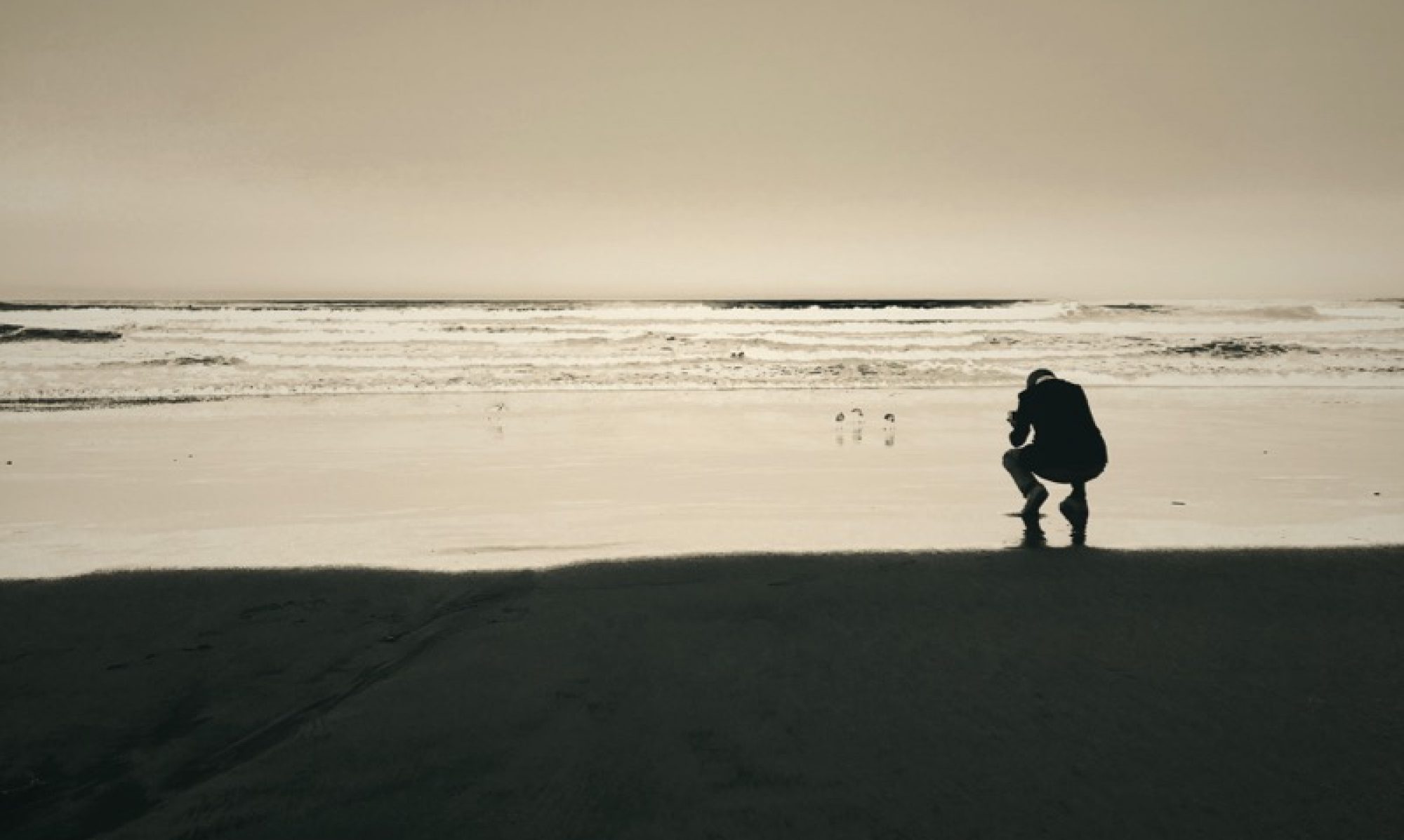
Last weekend, I happened to rent the DVD “Ansel Adams: American Experience.” While not high on my list initially, I found it surprisingly good. And I had not been aware that Adams at some point in his life was involved in the seemingly never-ending debate about the value of documentary photography vs. fine art. Says Adams, stung at the time by the criticism of Henry Cartier-Bresson and others that he “makes pictures of mountains while the world is coming apart”: “Documentary photography, unless at an extremely high level, is just propaganda.”

I have, in the spirit of using botched metaphors (Adam’s moonrise is “stale Seltzer”? Dorothea Lange’s photo of a migrant mother is “freshly sparkling champagne”? Watch, in disbelief, here), no dog in this fight. And the interesting fact that in the long run Adam’s images turned out to be just as politically relevant as Lange’s does not sway my mind either way. The photography as such may be just as brilliant, or boring, regardless of whether it happens to promote social reform, or environmental awareness, and helps trigger substantial legislation leading to the “New Deal” or the creation of National Parks. Or whether is has no obvious political agenda at all.

However, I think one should be aware of one’s motivations. When, in an earlier life, I went to law school, I worked for a professor who said something smart: When not sure what the best arguments are, consider the people who participate on the different sides of the debate. In this case, you probably don’t want to side with people who compare images of starving migrants who lost everything to “sparkling champagne.” That’s what I see as a danger for documentary photography in the fine art sphere: you may end up with an ideological and self absorbed mode of looking at human plight.
Truth Claim

Copyright 2009 Jens Haas - www.jenshaas.com

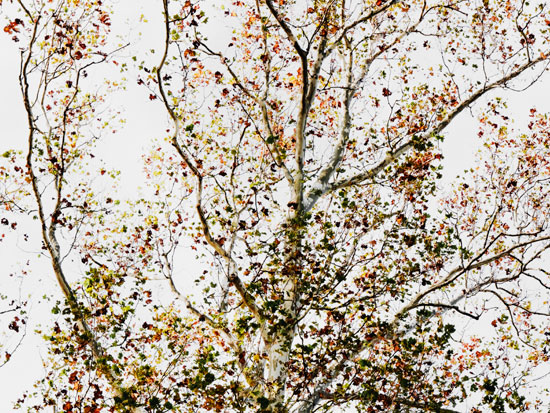
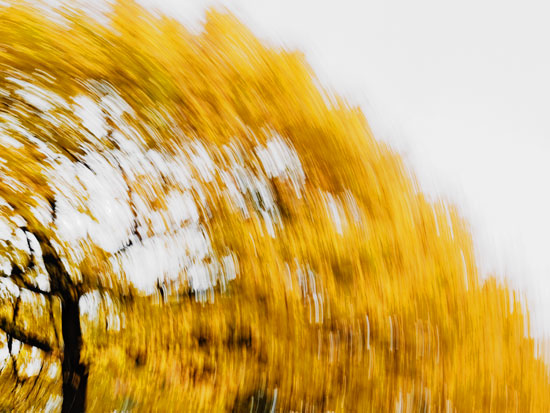
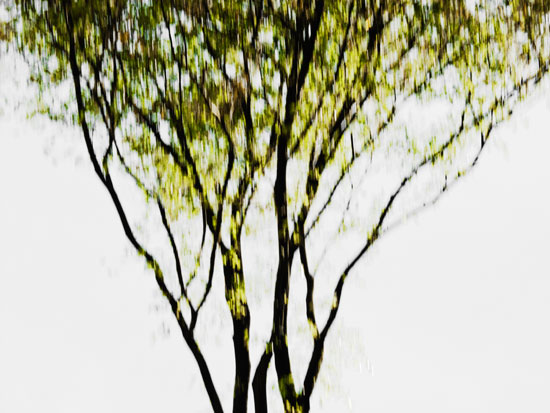
It’s been a rainy, windy week in Central Park. As much as this image indicates? All I can say is, the image is a precise recording of how I saw this tree – as a living, breathing, utterly miraculous thing.

What Typewriter Do You Use – Part 18

Copyright 2009 Jens Haas - www.jenshaas.com

There’s one truly bad thing about photography a.k.a. the ‘lens based medium’ – you have to use cameras. I know a number of people who just need their brain and some open source text editor for what they do, and I envy them for this kind of independence every day. Over the years, I’ve been an optimizer (vs. maximizer) – I started out in digital with an 8,000 Dollar brick from Canon in 2002, lugging it around 10 hours day, and kept downgrading to lighter cameras from there. With each new generation, the cameras got better, and I always used the smallest one available that would give me just enough quality to print large.

Things are finally looking up. Almost ten years after I sold my film Leica Ms, slowly but surely some manufacturers start to make digital cameras that have, in their own way, the bare bones appeal of the old Leicas. To me, the new Panasonic GF1, based on the Micro 4/3rds standard, is such a tool. It is light, simple, well made, and it has a smart and highly configurable, yet unobtrusive interface (not for those who want an optical finder though). The lowly zoom lens I use with it is excellent, much better, at least on digital, than my old Leica lenses; such is the nature of progress. The overall file quality is on a level where you don’t have to worry about it anymore. The range of usable ISO is much broader compared to my fragile Canon 1Ds files from six years ago. And I was glad to see that GF1 files take a lot of abuse in Photoshop without problem.

If you crave maximum image quality under all circumstances, you are still better off with a larger sensor camera from Canon or Nikon. And most sports photographers, at least those who depend on maximum speed, would not be interested in the GF1 at all. But for me, it is perfect. Most importantly, there’s nothing superflous with it, which is a quality that I always look for in cameras, in photographs, or in plain text – in anything that ultimately represents a thought process. For gear that you have with you all day, it’s certainly a nice quality to have, and you can concentrate on the photography again.

If you are interested in a whole spectrum of detailed reviews of this system, the “Noisy Cameras” 4/3rds microblog (here) is an excellent starting point. The mother of all GF1 reviews (34 pages on dpreview) starts here. And in case you want alternatives to the Panasonic gestalt: Ricoh, Samsung, and Sony will come out with similar camera systems over the next couple of months, so there should be some nice options for all tastes.